

The Magick We’re Taught to Outgrow
Girlhood ritual and what PEN15 helped me remember

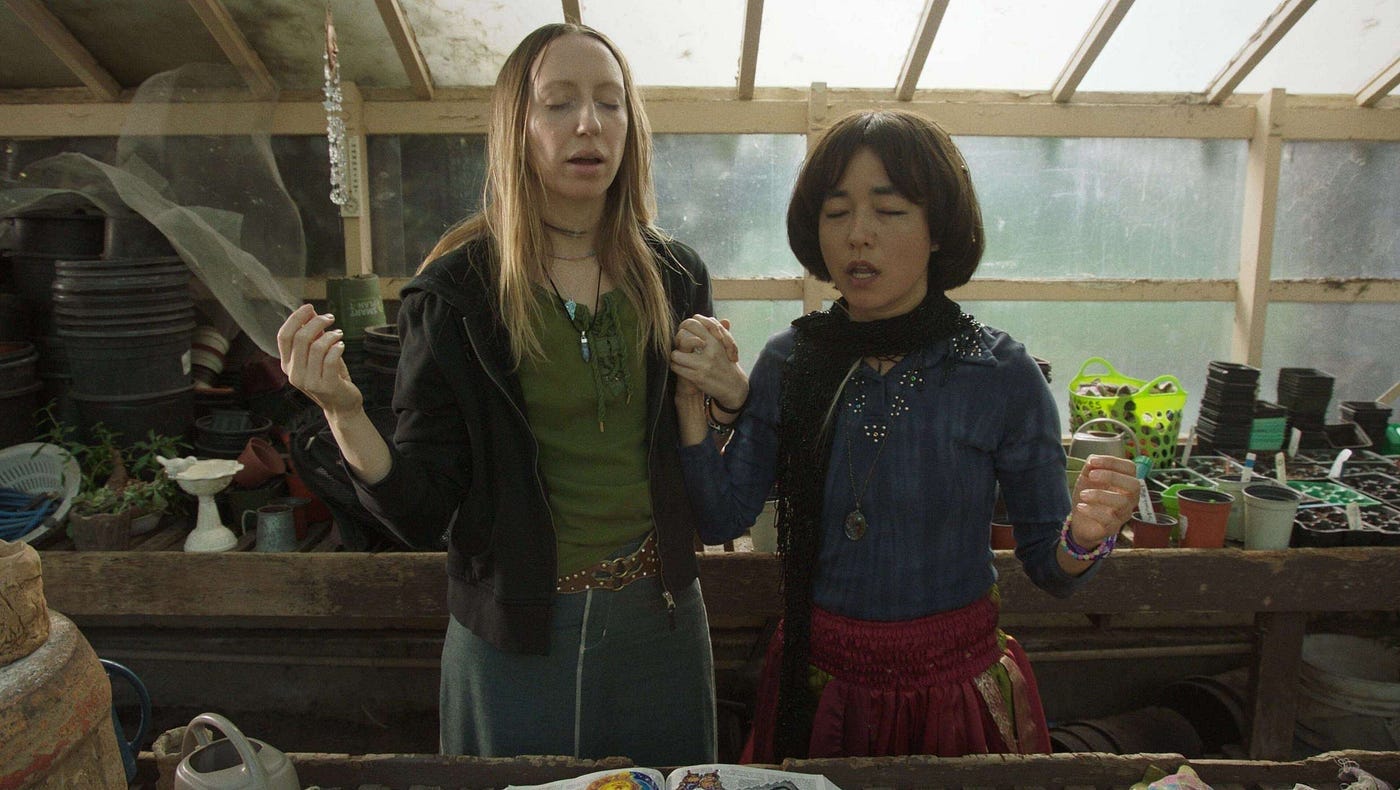
These days, I think we can all agree we need a good laugh. When things feel heavy, I gravitate toward entertainment I trust. The kind that reliably delivers big belly laughs and unfiltered enjoyment.
For me, that’s PEN15.
Season 2, Episode 3—“Vendy Wiccany”—where Maya and Anna discover witchcraft! They chant nonsense spells, invent rules on the fly, and treat it all with absolute seriousness. It’s cringe-comedy perfection!
It sent me straight back to being a pre-teen in the late 80s, living in that specific emotional ecosystem where everything felt urgent, embarrassing, high-stakes, and completely out of control. I do not miss it.
It also reminded me of when I first dipped my toes into witchiness.
I think a lot of young girls pass through this phase because witchcraft becomes a container for feelings that are far too big for preteen vocabulary: the desire to belong, to feel protected, to know we matter—and to claim some agency over our lives and the strange things happening to our bodies.
But. Yes, my friends and I pulled out Ouija boards at sleepovers. We played light as a feather, stiff as a board. We whispered earnest spells into the ether, passing around library books on Wicca that felt forbidden in the pre-Internet world of a thirteen-year-old girl.
Back then, magic felt real. I was convinced I could use it to sharpen my intuition, contact spirits, and maybe even cast a love spell on a boy who barely knew I existed.
When you’re young, magic feels possible, not metaphorical, but tangible. Your body feels mysterious but familiar. Nature feels accessible and steady. Everything is porous: emotion, imagination, desire.
You don’t assume doors are locked just because someone told you they are.
By the time I entered the 90s as a teenager, third-wave feminism was at its peak. The Riot Grrrl was rising, and there was a growing realization that my anger wasn’t hormonal or something to dismiss.
It was necessary.
My relationship to magic evolved. It stopped being about bending reality and became about visibility. About finding power in a world that kept insisting we didn’t have any.
Those feelings were raw, alive, and close to the surface.
And then we age.
We’re taught (explicitly and subtly) to disconnect. From our bodies. From intuition. From nature. From each other. We learn to override hunger, pain, grief, and anger. We learn to sit still. Behave. Be reasonable. Be smaller. Magick becomes something we’re expected to outgrow, along with imagination, hope, and the belief that collective energy can change things.
Which brings us to now.
Something is happening in this country, and you don’t need a news alert to sense it. You can feel it in clenched jaws, tight shoulders, and endless scrolling.
Reproductive rights are under attack. Trans lives are increasingly targeted. Bodies are politicized and policed. People are being shot in the street. And there’s a widening gap between lived reality and accountability.
Right now, I don’t want a self-care checklist or a wellness lecture. I want my people. I want to light a bonfire, burn our intentions to release our magick, chant in unison, and howl at the moon as my Slavic ancestors did. I want full Baba Yaga energy—jumping into my sentient house on chicken legs and crushing ICE agents under my scaly claws.
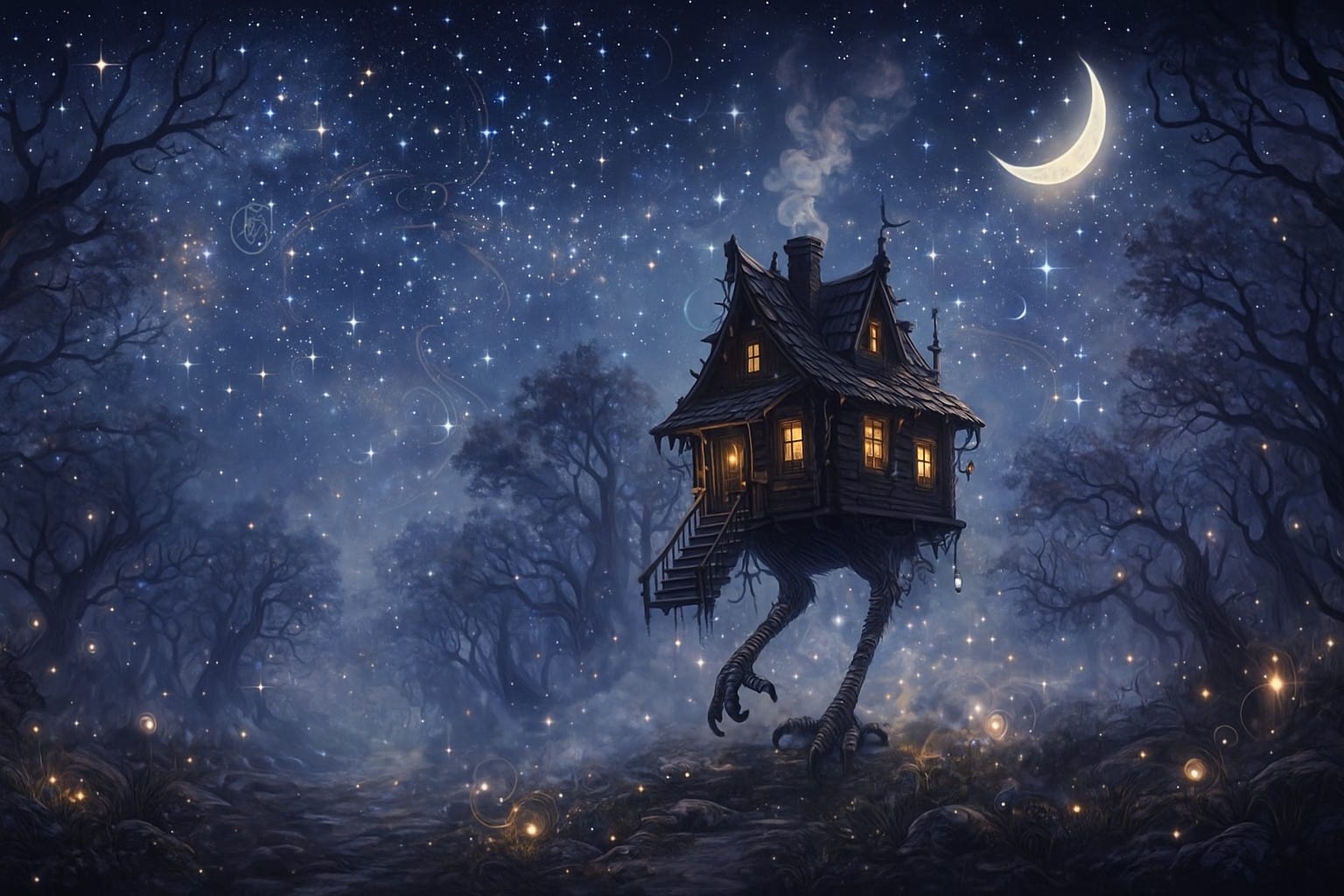
I want my people close enough to remind me that fear shrinks when shared and that rage, properly held, is powerful as hell.
Those of us turning toward ritual, magic, astrology, and ancestral practices aren’t doing it because we’ve “lost the plot.”
We’re doing this because we remember the plot. Deep in our bones.
Because I believe that when institutions fail us, community becomes infrastructure and ritual becomes a way to focus intention and reclaim agency.
Witchcraft, in one way or another, has always been a collective practice.
Our ancestors knew this. Connection to one another, to the body, to the land made people harder to control. The work was never just about spells. It was about belonging, shared meaning, and strength in numbers.
Power that grows with visibility instead of trickling down from old white dudes in bad suits.
Maya and Anna wanted the same. Their seventh-grade brains just didn’t have the language yet. They were trying to survive girlhood and to make sense of desire, fear, family chaos, and PUBERTY.
Their spells were clumsy, hilarious, and completely doomed, but that wasn’t the point. What they were reaching for wasn’t magick, exactly.
It was each other.
Magick as connection. A way to feel less alone inside something overwhelming.
And honestly? Not much has changed.
We’re just older now. Wiser, maybe. More bruised and more aware of what’s at stake. But the instinct is the same: when the world feels unstable, we reach for each other. We look for rituals that remind us we belong to something larger than fear.
As a teen, witchcraft made magic feel possible.
As an adult, it helps me remember that connection still is.
So I’ll ask you—no incense required:
Where have you been taught to disconnect, and who are you ready to gather with as you find your way back? 🌕🔥
Beautifully said. The shift from witchcraft as control to witchcraft as connectio really captures someting we've all felt but couldn't name. Back in highschool I remember a group of us doing silly 'spells' that never worked, but looking back we were just trying to make sense of things together.